Expert Water Softener Installation: Improve Your Water Quality Today
Professional water softener installation plays a vital role in boosting water purity in homes. Hard water can cause various complications, affecting everything from plumbing to personal care. Professionals ensure that the installation process is smooth and compliant with local regulations. They also help avoid common mistakes that can arise during installation. Understanding the advantages of this service can lead to major improvements in daily life, prompting further exploration into its advantages and processes.
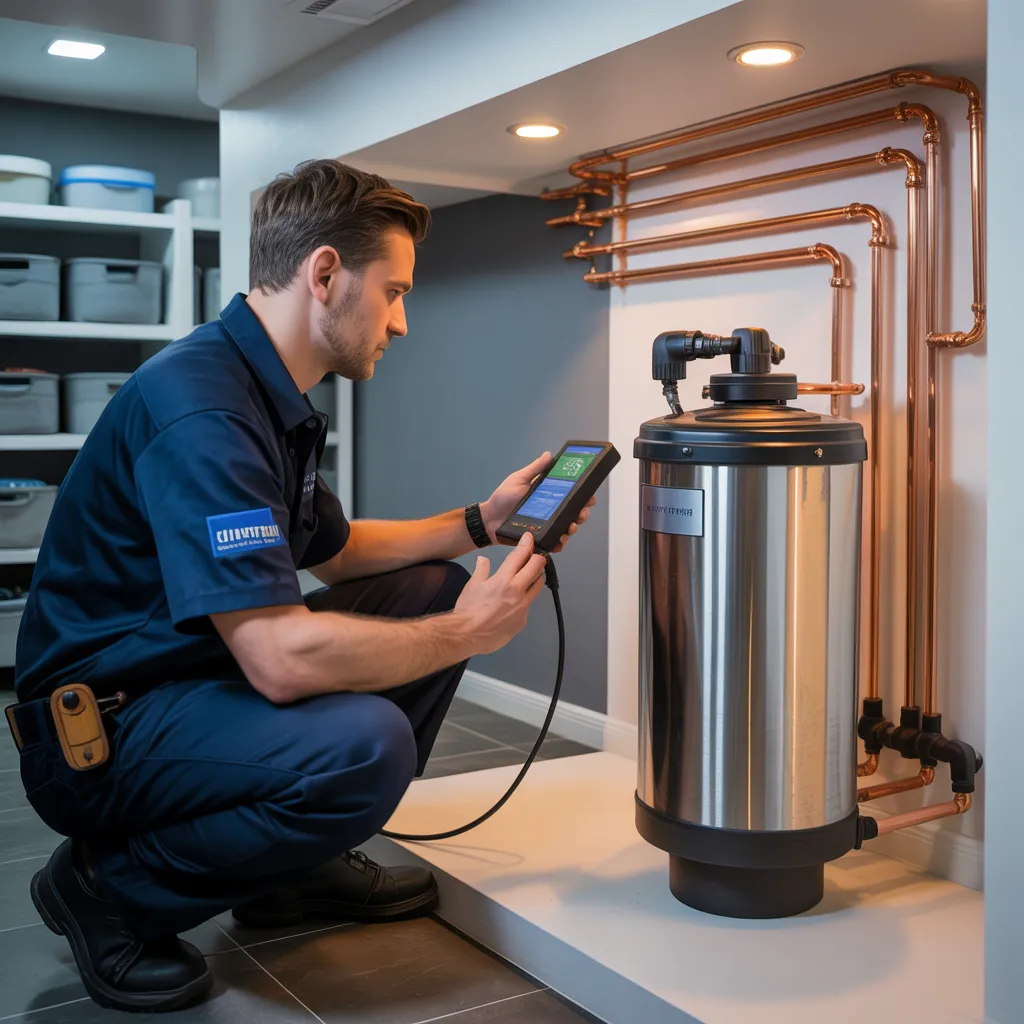
How Does Hard Water Affect You and What Is It?
Hard water, marked by a high mineral content—mainly calcium and magnesium—can significantly impact daily life. Many households without realizing it experience its effects, which may appear in various ways. The existence of these minerals may cause limescale accumulation in pipes and appliances, diminishing their performance and lifespan. Moreover, hard water can create difficulties in cleaning; soap may not produce well, leaving residues on dishes and laundry.
Moreover, hard water can affect the taste of drinking water, making it less appealing. In some instances, it may contribute into higher energy bills due to additional stress on heating appliances and other appliances. Understanding hard water's implications helps homeowners to contemplate alternatives that could enhance their water quality and overall comfort in daily pursuits.
The Benefits of Water Treatment for Your Residence
Water softening delivers significant advantages for homes by increasing the lifespan of equipment and enhancing cleaning performance. Softened water reduces mineral deposits, which can result in expensive repairs and new units. Additionally, it allows cleaning solutions to work more effectively, resulting in cleaner surfaces and textiles.
Increased Appliance Longevity
Installing a water conditioner can greatly enhance the durability of home devices. Hard water contains minerals like calcium and magnesium, which can lead to mineral deposits in appliances such as dishwashers, water heaters, and washing machines. Over time, this accumulation can cause inefficiencies and ultimately lead to breakdowns. By softening the water, homeowners can substantially reduce the damage on these important devices. Softened water allows appliances to operate more efficiently, requiring less energy and reducing maintenance costs. Consequently, the investment in a water softener not only prolongs the life of appliances but also enhances their performance. Homeowners can expect fewer repairs and replacements, making water softening a practical choice for maintaining household efficiency.
Advanced Cleaning Effectiveness
A water softener greatly boosts cleaning effectiveness across your household. Water with high mineral content includes minerals like calcium and magnesium that can hinder the effectiveness of soap, causing dull laundry, streaky dishes, and soap scum buildup. By minimizing these minerals, softening systems boost lathering ability and soap effectiveness, making cleaning easier and more efficient.
With water that is softened, laundry appears more luminous and feels softer, while dishes come out sparkling clean without residue. Furthermore, surfaces in kitchens and bathrooms demand less frequent cleaning, as mineral deposits are minimized. This not only saves time but also lowers the need for harsh cleaning products. Overall, a water softener considerably improves the quality of cleaning, fostering a more efficient and pleasant home maintenance experience.
Why You Ought to Choose Professionals for Implementation
Although some residents might consider a DIY approach to water softener installation, depending on specialists guarantees a superior level of proficiency and productivity. Professionals have the expert understanding and expertise essential to examine specific home plumbing systems, confirming that the water softener is accurately integrated. They are familiar with various models and can recommend the most suitable choice for individual needs, avoiding common pitfalls that may emerge during placement.
Additionally, skilled professionals recognize local codes and regulations, guaranteeing compliance and reducing the danger of problems ahead. Their expertise equips them to resolve potential issues efficiently, offering assurance that the system will operate successfully. Furthermore, numerous professional installers present warranties on their services, establishing supplementary protection for homeowners. At the end of the day, opting for expert installation not only strengthens the system's performance but also saves effort, establishing it a worthwhile choice in improving water quality.
Steps to Determine the Right Water Softener
Determining the right water softener necessitates a careful assessment of water hardness, which can profoundly affect the effectiveness of the system. Likewise, familiarizing yourself with the various types of softeners available and their features is indispensable for making an sound decision. Expense factors also play an important role in selecting a system that meets both needs and financial constraints.
Water Hardness Evaluation
Assessing water hardness is a crucial step in selecting the ideal water softener. Water hardness is mainly measured in grains per gallon (GPG) or parts per million (PPM) and shows the degree of calcium and magnesium minerals. Homeowners can assess their water hardness through test kits available at hardware stores or by sending samples to a lab for analysis. Recognizing the hardness level aids in selecting the right softener capacity and type needed for successful treatment. Generally, water is classified as soft (0-3 GPG), moderately hard (4-7 GPG), hard (8-12 GPG), or very hard (over 12 GPG). Thorough assessment guarantees proper softening, enhancing water quality and prolonging the lifespan of plumbing and appliances.
Comprehensive Softener Types Breakdown
Picking the suitable water softener requires an knowledge of the numerous types available in the sector. The most standard types feature ion exchange, salt-free, and reverse osmosis systems. Ion exchange softeners swap hard minerals with sodium ions, efficiently minimizing hardness. Salt-free systems, conversely, soften water without conventional salt, making them fitting for those pursuing a more green option. Reverse osmosis units eliminate impurities, including hardness minerals, but are frequently used in partnership with other systems for comprehensive water treatment. Each type has its strengths and drawbacks, making it important for consumers to review their distinct water quality needs and preferences before making a decision. Understanding these options will support informed choices for ideal water quality.
Budget Factors Explained
Budgetary awareness constitutes a key element in the determination process for water softener installation. Homeowners must scrutinize both initial costs and long-term expenses. Basic units may showcase reduced starting costs, but they can cause increased servicing and chemical expenses over time. By contrast, advanced units commonly showcase modern technology and superior efficiency, possibly decreasing ongoing costs. In addition, labor charges can range widely; many individuals may decide on DIY installation to reduce spending, while others choose professional assistance for perfect setup. Comprehending the total overall expense, including repairs and warranties, is vital. Fundamentally, aligning the preference of water softener with both existing budget limits and long-range monetary goals assures a more satisfying investment.
Step-by-Step Manual to Water Conditioning Equipment Implementation
Installing a water softener can significantly improve the purity of water in a home. The installation process gets underway with selecting a suitable location, typically near the main water supply line. Next, the homeowner should turn off the water supply and drain any remaining water from the pipes. After preparing the area, the water softener is positioned, guaranteeing it is level.
The following stage involves joining the intake and discharge pipes to the conditioning system. This might demand modifying the existing pipe network and supplying it with proper adapters. Once the joints are secure, the salt storage is replenished with mineral pellets, and the system is switched on. To wrap up, the main line is switched back on, allowing the resident to examine for seepage and ensure correct function. Completing these guidelines will achieve efficient softening installation, creating the opportunity for expert guide superior water quality in all areas of the dwelling.
Keeping Your Water Softener in Top Condition for Long-Lasting Rewards
Maintaining a water softener ensures its efficiency and durability, ultimately improving water quality in the home. Regular maintenance involves several important steps, starting with checking the salt levels in the brine tank. It is essential to replenish the salt to secure optimal regeneration cycles. Additionally, cleaning the resin bed yearly helps eliminate impurities that can accumulate over time, preserving the system's effectiveness.
Checking the system for leaks and ensuring proper water flow is also necessary. A detailed inspection of the bypass valve, inlet, and outlet connections can stop possible problems. Furthermore, regular testing of water hardness verifies that the softener is functioning correctly.
For those employing a dual-tank system, moving between tanks during regeneration can enhance output. By maintaining these maintenance routines, homeowners can extend the lifespan of their water treatment systems, confirming uniform performance and better water purity for the years ahead.
Frequently Inquired Questions
How Much duration Should You expect for Water Softener Installation?
A water softener setup typically takes between two to four hours, depending on the complexity of the system and the plumbing involved. Factors such as location and existing setup can affect the overall duration.
What Are the Indicators of a Faulty Water Softener?
A faulty water softener displays signs such as salt-tinged taste in water, reduced lathering of soap, crusty deposits on fixtures, ongoing regeneration cycles, and an increase in water mineral hardness. These indicators demonstrate underlying issues deserving focus.
Is It possible to set up a Water Softener on Your Own?
Yes, a water softener can be installed by oneself, provided the individual has fundamental plumbing knowledge and understands the manufacturer's instructions. However, professional installation may ensure peak performance and compliance with local codes.
What Are the Upkeep Expenses of a Water Softener?
Service expenses for a water softener generally cost between $50 to $150 per year. This includes salt replenishment, occasional fixes, and professional servicing, ensuring peak performance and longevity of the system for effective water treatment.
Does Water Softening Change the Flavor of Water?
Water softeners typically do not substantially modify water taste. However, some individuals may notice an alteration due to the extraction of minerals like calcium and magnesium, producing a softer, less mineral-rich flavor profile.